Cardio vs Weights: Finding the Best Path
for Weight Loss
Quick Answer: Cardio vs Weights for Fat Loss
- Cardio burns more calories during the workout, which is why many beginners start with activities like jogging, cycling or brisk walking.
- Weight training increases your metabolism by building lean muscle. Muscle tissue burns more calories at rest, so lifting weights helps you burn fat even when you’re not exercising.
- The most effective approach combines both. Guidelines recommend mixing moderate-intensity cardio and strength training. GymBAIT programmes already balance cardio and weights automatically, so you get the benefits of both without guessing.
Introduction: You’re Not Alone in the Confusion
If you’ve started a weight-loss journey and feel overwhelmed by conflicting advice, you’re not alone. Many new or returning gym-goers aren’t sure whether cardio or weights for weight loss is the right strategy. On one hand, friends swear by long runs; others insist lifting weights is better for fat loss. This confusion can lead to frustration and inconsistency. Most beginners fail not because they lack motivation, but because they lack structure. GymBAIT solves this by generating a personalised plan that balances cardio, strength training and diet guidance, so you never have to guess what to do.
Understanding the Basics in Simple Terms
- What is cardio? Cardio (short for cardiovascular exercise) includes activities like brisk walking, jogging, cycling or swimming that keep your heart rate elevated for a period of time. These exercises improve heart health and burn calories during theworkout.
- What is weight training? Also called strength or resistance training, weight training means using resistance (dumbbells, machines or even your body weight) to make your muscles work harder. It builds muscle, strengthens bones and can create a toned appearance.
- Why people compare them: Many beginners assume they have to pick one. Cardio is often associated with weight loss because you can burn lots of calories in a short time. Weight training, meanwhile, is linked to muscle growth, which can change your body composition and help you burn more calories at rest. If you’re searching “cardio vs weights fat loss” or asking “should I lift weights or do cardio first?”, remember that both have unique benefits.
Calories Burned During Workouts: Cardio Wins Short-Term
Cardio activities typically burn more calories per session than weight training. For example, the Centers for Disease Control and Prevention (CDC) estimates that a 154-pound person can burn about 145 calories with 30 minutes of moderate-pace cycling, and around 295 calories if they cycle more intensely. That calorie burn can feel rewarding and is why many people start with cardio when trying to lose weight. Cardio also has heart-health benefits and can improve mood.
However, cardio alone isn’t a magic bullet. To lose weight, you need to burn more calories than you consume, and this balance depends on both your activity and your diet. Focusing solely on cardio without paying attention to eating habits can lead to plateaus or even muscle loss, which slows your metabolism.
Long-Term Metabolism: Why Weights Matter
While a single weight-training session usually burns fewer calories than a cardio session, lifting weights has powerful long-term effects on your metabolism. Weight and resistance training build lean muscle. Muscle tissue burns more calories at rest than fat tissue, meaning that the more muscle you have, the more calories your body burns even when you’re sitting or sleeping. This phenomenon is sometimes called the “after-burn” effect. Research shows that after intense strength workouts, your body continues to burn extra calories for up to 48 hours.
A 2020 review found that resistance exercise can increase resting metabolic rate compared with aerobic exercise alone. Building muscle may take longer than seeing weight drop on the scale, but it changes your body composition, improves your shape and supports long-term weight-loss maintenance.
Why Combining Both Is Best
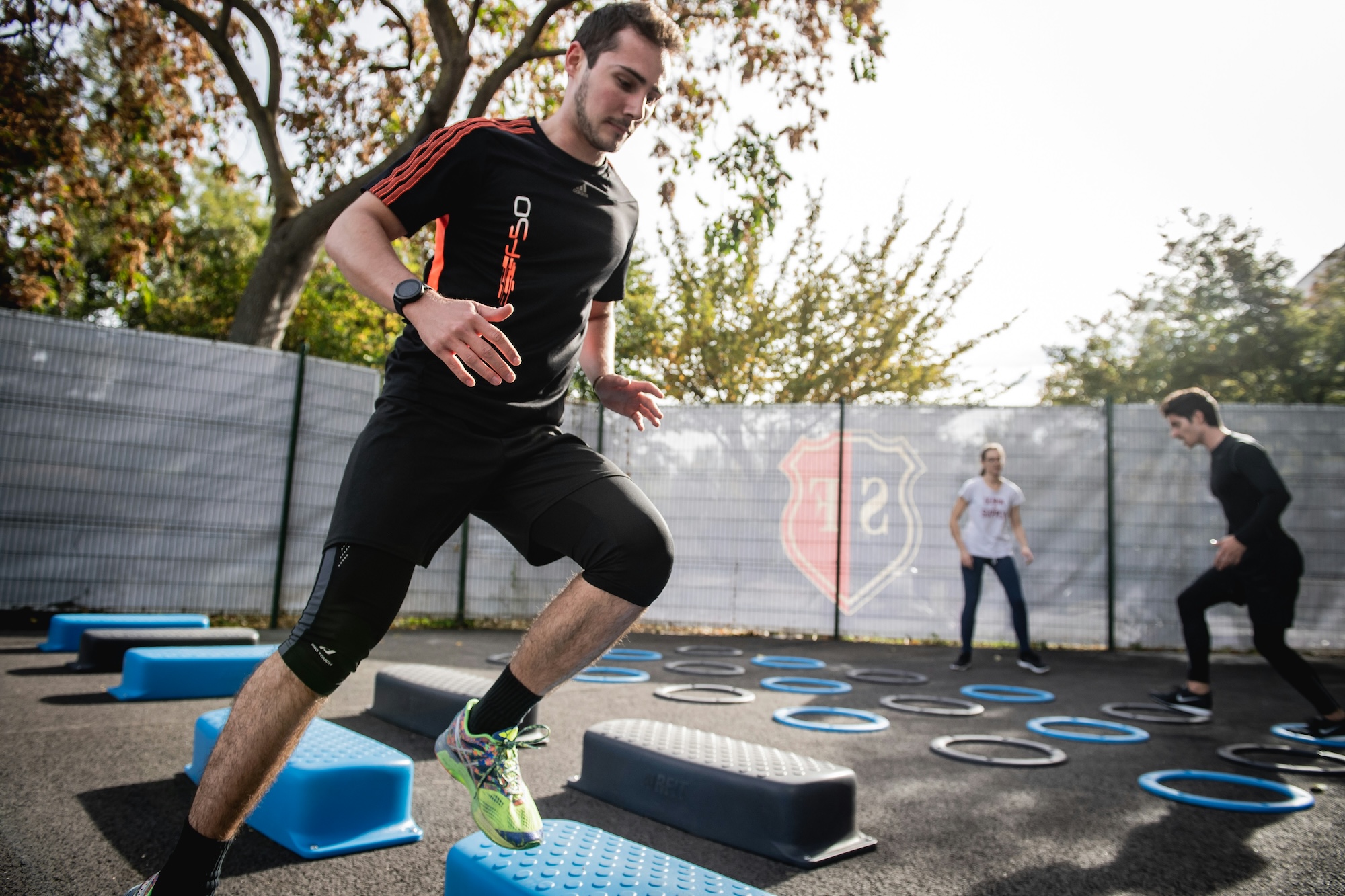
Instead of choosing between cardio and weights, you’ll get the best results by combining both types of exercise. Physical-activity guidelines recommend at least 150 minutes of moderate-intensity cardio per week (or 75 minutes of vigorous activity) along with two days of strength training. Mixing workouts gives you the immediate calorie burn of cardio and the metabolic benefits of weight training, making your routine more balanced and sustainable. High-intensity interval training (HIIT), which alternates short bursts of intense activity with recovery, can also be a time-efficient way to burn calories and incorporate both elements.
Benefits of Combining Cardio and Weights
- Efficient fat loss: Cardio burns calories quickly, while weight training promotes muscle growth that increases your resting metabolism.
- Balanced body composition: Weight training helps you maintain or build muscle so you don’t end up “skinny-fat” (lighter on the scale but still with a high percentage of body fat). Cardio improves heart and lung health.
- Reduced boredom: Switching between workout styles keeps exercise interesting and reduces the risk of overuse injuries.
- Improved confidence: Learning to use weights can feel empowering, especially if you previously felt intimidated. Cardio activities can be accessible anywhere, like walking outdoors or doing a quick dance workout at home.
Common Concerns: Your Questions Answered
Many beginners have worries that stop them from starting. Here are three of the most common questions — and reassuring answers:
Will lifting weights make me bulky?
Absolutely not. In the early weeks of weight training, most of the changes are neurological rather than muscular; your body learns to recruit more muscle fibres. Significant muscle growth requires a long-term programme and a surplus of calories. What many people think of as “bulky” is often just excess body fat from eating more calories than they burn. Women, in particular, have lower testosterone levels, so they typically get stronger and toned without adding large amounts of muscle.
Do I need hours of cardio to lose weight?
No. International guidelines recommend at least 150 minutes per week of moderate-intensity aerobic exercise such as brisk walking. That’s about 30 minutes, five days a week — not hours every day. Research shows that even just 30 minutes of aerobic exercise per week can produce measurable reductions in body weight and waist circumference. High-intensity interval training (HIIT) can further reduce workout time while still burning a significant number of calories.
Why am I not losing weight even though I’m exercising?
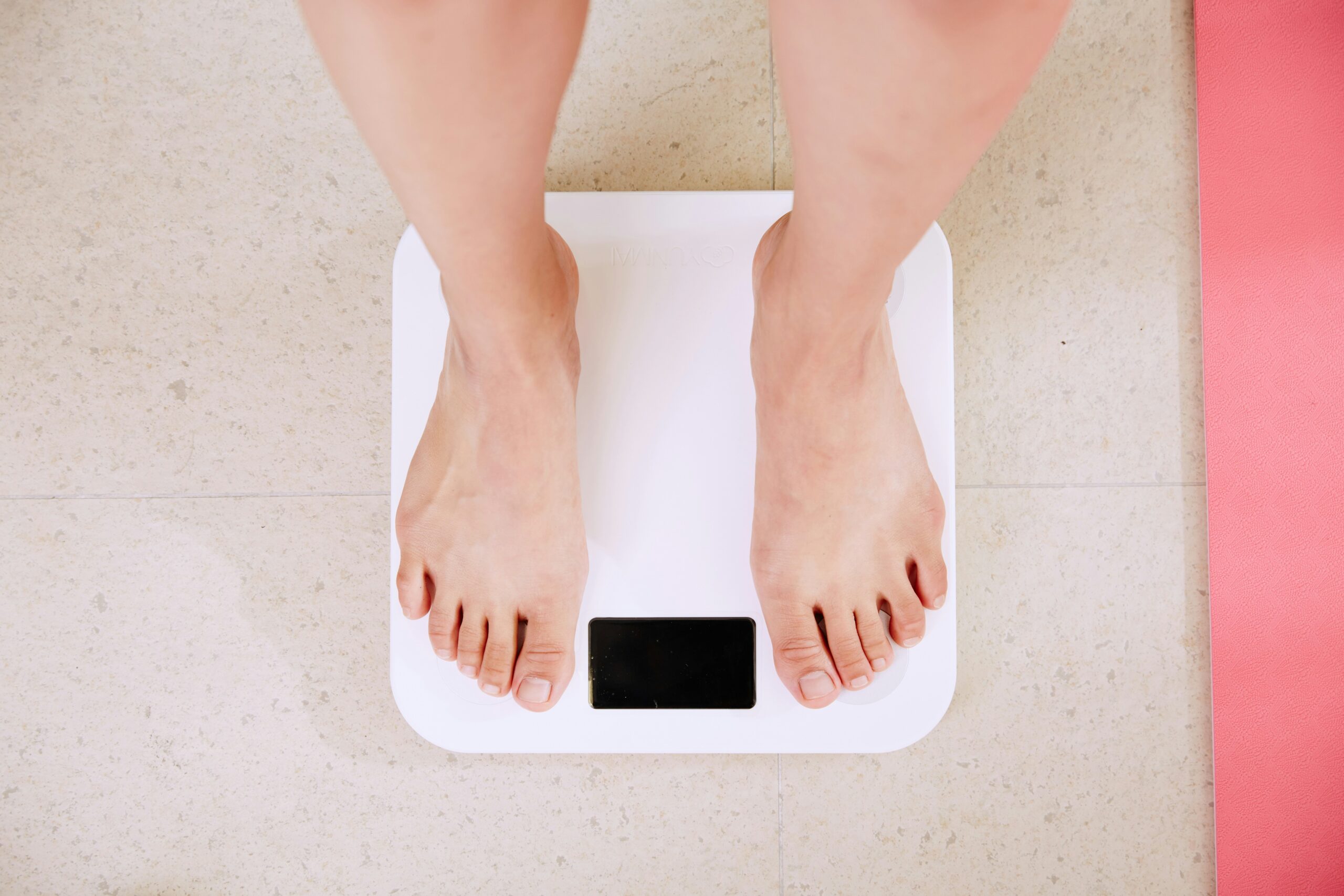
The number on the scale doesn’t tell the whole story. Weight training can increase muscle mass while reducing fat mass. If your muscle and fat change by the same amount, the numbers on the scale may stay the same, but your body composition improves. Muscle also helps boost your metabolism. Pair your workouts with a balanced eating plan, and track other indicators — like how your clothes fit and your energy levels — to see progress.
Example Beginner Fat Loss Week
Here’s a realistic weekly routine that balances cardio and strength training. GymBAIT automatically builds routines like this, so you can just follow along:
- Monday: Full-body weights (30–45 minutes)
- Tuesday: 30-minute brisk walk or cycle
- Wednesday: Rest or gentle stretching
- Thursday: Full-body weights
- Friday: Swimming, cycling or a HIIT workout (20–30 minutes)
- Saturday: Optional walk or yoga
- Sunday: Rest
Feel free to adjust rest days based on how your body feels. GymBAIT adapts these schedules to your fitness level and availability, so you progress safely.
Practical Steps to Get Started
- 1. 2. 3. 4. 5. Begin with simple cardio you enjoy. Walking, gentle cycling or swimming are great for beginners. Start with 10–15 minutes and gradually increase your time and intensity.
- Learn basic strength exercises. Try body-weight squats, push-ups against a wall or resistance-band exercises. Focus on proper form—GymBAIT’s videos and tutorials explain each movement in simple terms.
- Alternate workouts. Plan two or three cardio sessions and two strength sessions each week. You can alternate days (e.g., Monday cardio, Tuesday weights) or combine them in the same session by doing short bouts of cardio between sets.
- Prioritise recovery and nutrition. Get enough sleep and eat balanced meals with protein, healthy fats and carbohydrates to fuel your workouts and help your muscles recover.
- Use GymBAIT for structure. The GymBAIT app takes the guesswork out of planning. It offers beginner-friendly workouts, tracks your progress and adapts to
- your schedule. The diet plans accommodate food intolerances and preferences, ensuring you eat well without restriction.
Conclusion: Progress Over Perfection
Choosing between cardio and weights doesn’t have to be stressful. Cardio burns calories quickly, while weight training builds muscle and boosts your resting metabolism. For lasting fat loss and overall health, the most effective strategy is to combine both types of exercise and pair them with a sustainable eating plan. You don’t need to become a fitness expert to make progress—small, consistent actions lead to big results over time.
Most beginners struggle not because they lack motivation, but because they lack structure. GymBAIT solves this problem by creating personalised workouts and diet plans designed specifically for beginners. The app balances cardio and strength training, adapts to your
schedule and food preferences, and guides you every step of the way.
If you’re unsure how to combine cardio and weights, let GymBAIT remove the guesswork. Download the GymBAIT app today and start following a clear plan that helps you lose fat, build strength and stay consistent